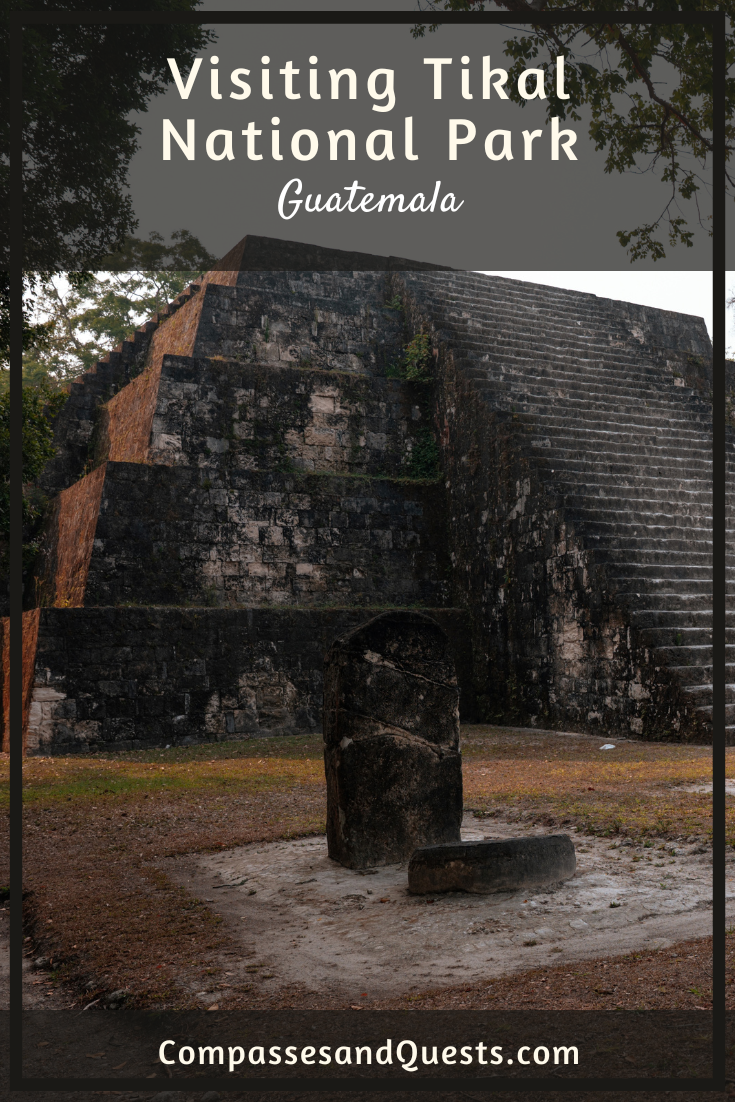
In ancient times, the Maya built various cities with homes, massive temples, agricultural plots, plazas, fortification structures, etc. Tikal National Park holds the remains of what once could be considered the capital of the empire. Deep in the rainforests of northern Guatemala, visitors can wander among the ruins to get a glimpse into what life here might have looked like at the civilization’s peak. Here are some details to help you plan your visit to this amazing historical site.
Disclaimer: This post contains affiliate links that help us keep the blog running. When used, we may earn a small commission at no additional cost to you. Learn more about our affiliates in our Terms of Service. Thank you for all the support!
Some Tikal History
The Mayan empire once covered parts of southern México, Guatemala, Belize, and parts of El Salvador and Honduras. Discoveries in Tikal National Park indicate that people lived in this area of modern-day Guatemala as early as 1000 BCE. Tikal, or Yax Mutal, grew to be a major hub and somewhat of a capital of the civilization. It is estimated that as many as 90,000 people lived here!
Decline of the empire had already begun long before the Spanish had arrived. Before colonization by the Spanish leading to the empire’s ultimate downfall, war, outbreaks of disease, overpopulation, and agricultural struggles due to drought plagued the region.
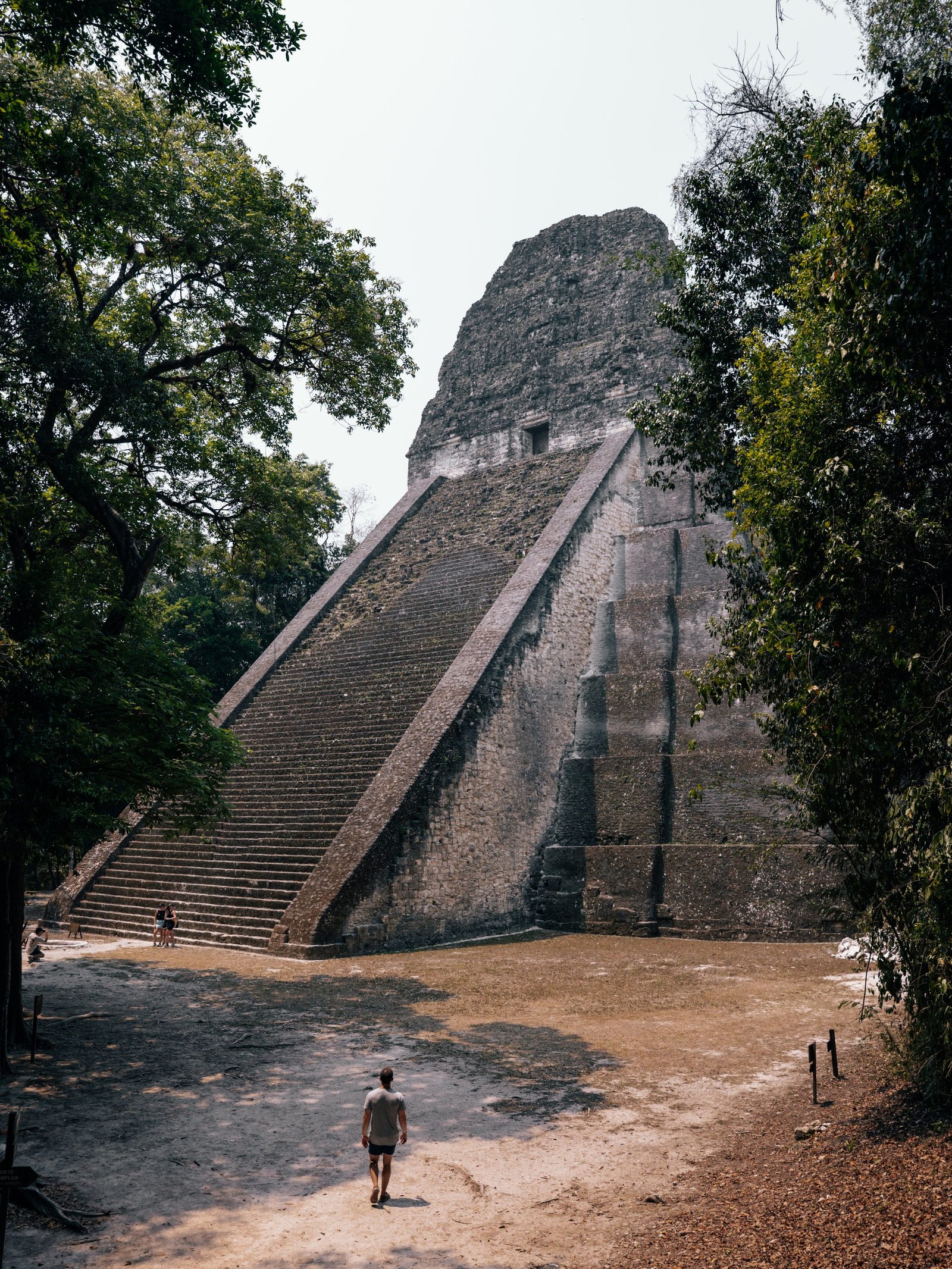
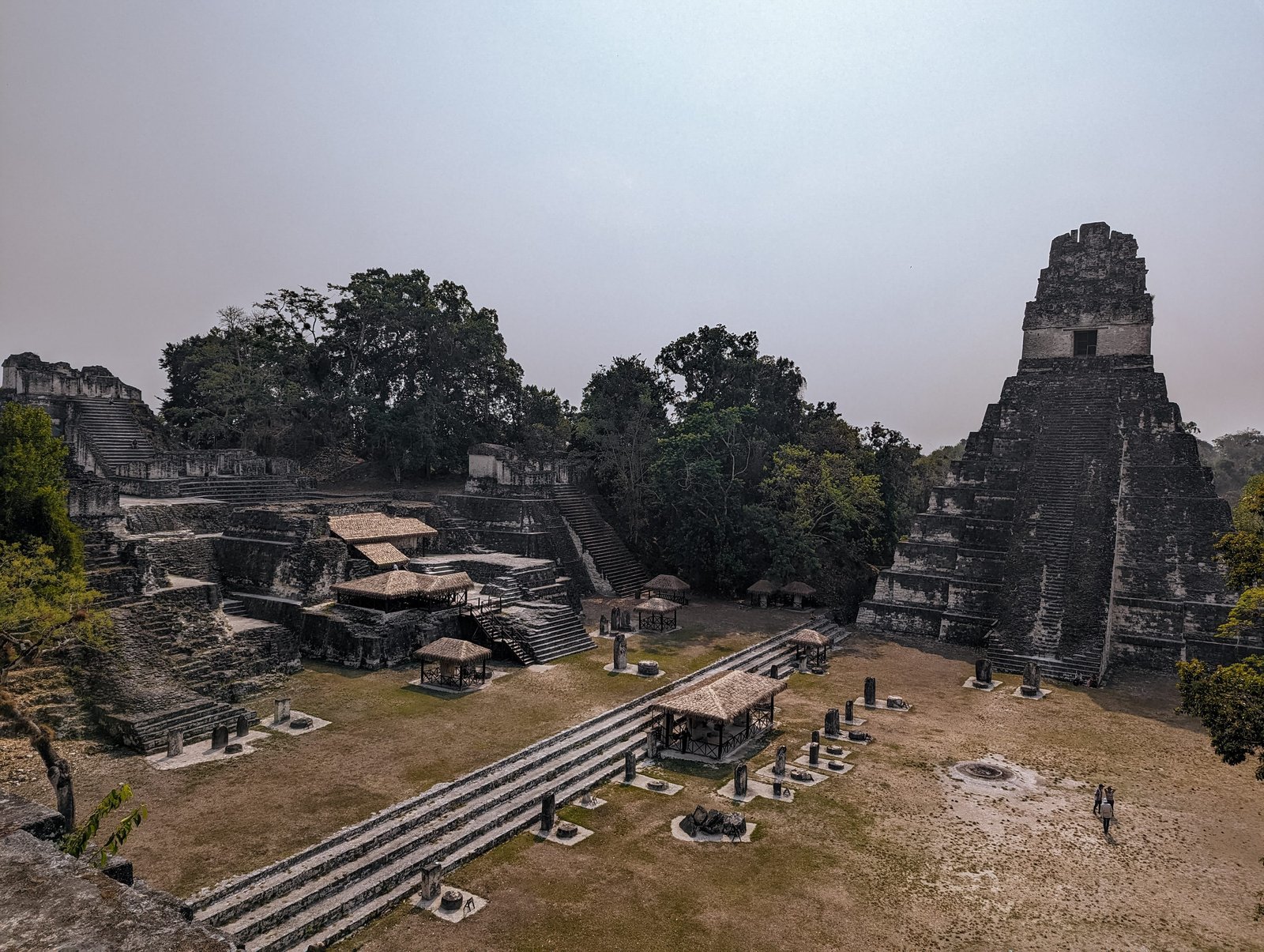
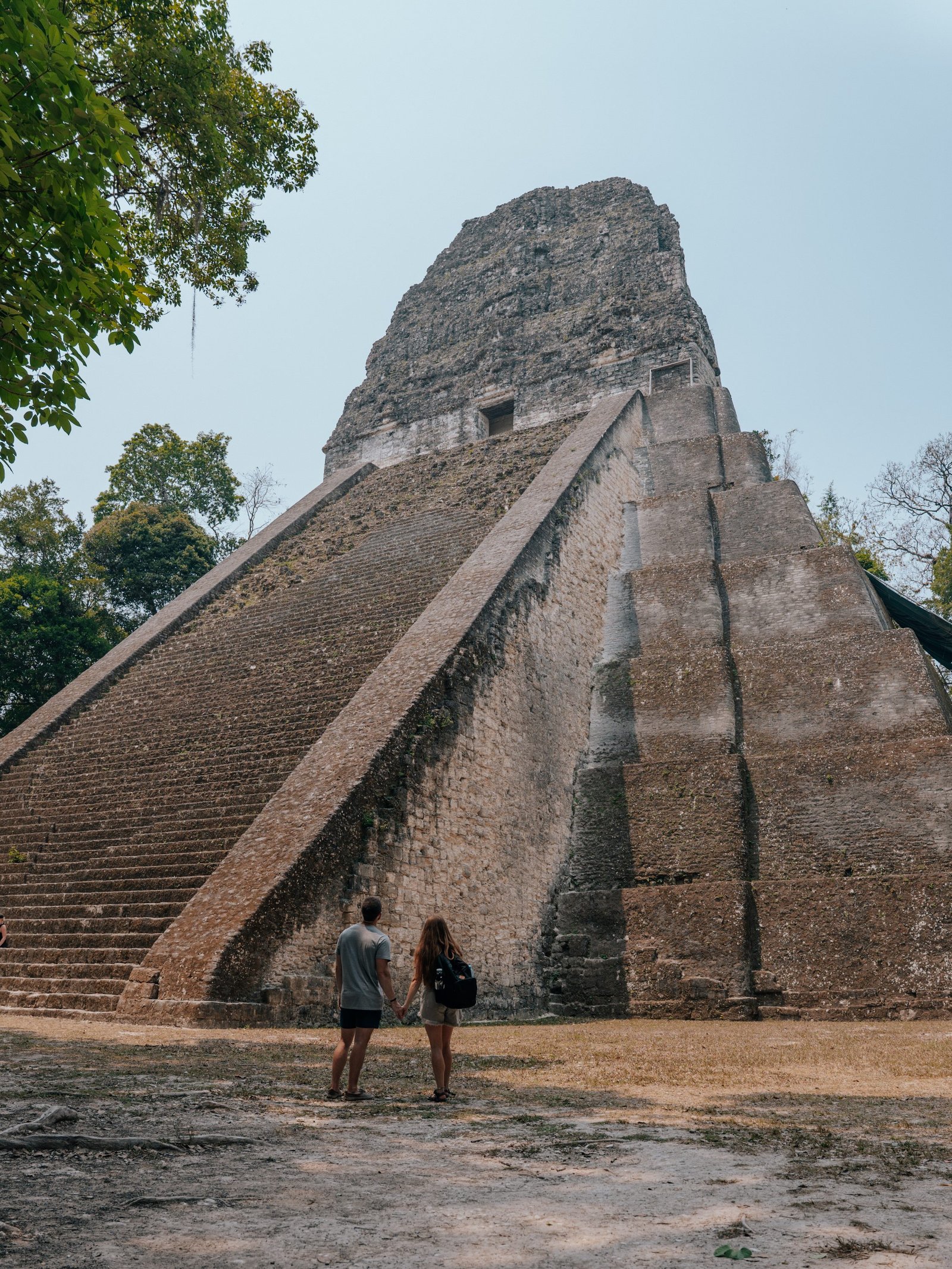
Today, stone homes tucked among the jungle trees and tall temples standing tall above the rainforest canopy remain. The historic structures, the work of archaeologists, and stories passed down through generations of Maya descendants give us a glimpse into what life may have been like here during Yax Mutal’s peak.
The area became protected in the 1930s and was declared a UNESCO World Heritage site in 1979. Professionals have worked to uncover and restore many structures in the area. Even today, they are still conducting archaeological digs to uncover more!
Getting to Tikal National Park
The most convenient place to stay if you have plans to explore Tikal National Park would be in Flores and other towns around Lago Petén Itzá or at one of the hotels in the park. However, visitors also make trips to the park from Belize and further cities in Guatemala, like Guatemala City or Antigua.
Getting to Tikal on Your Own:
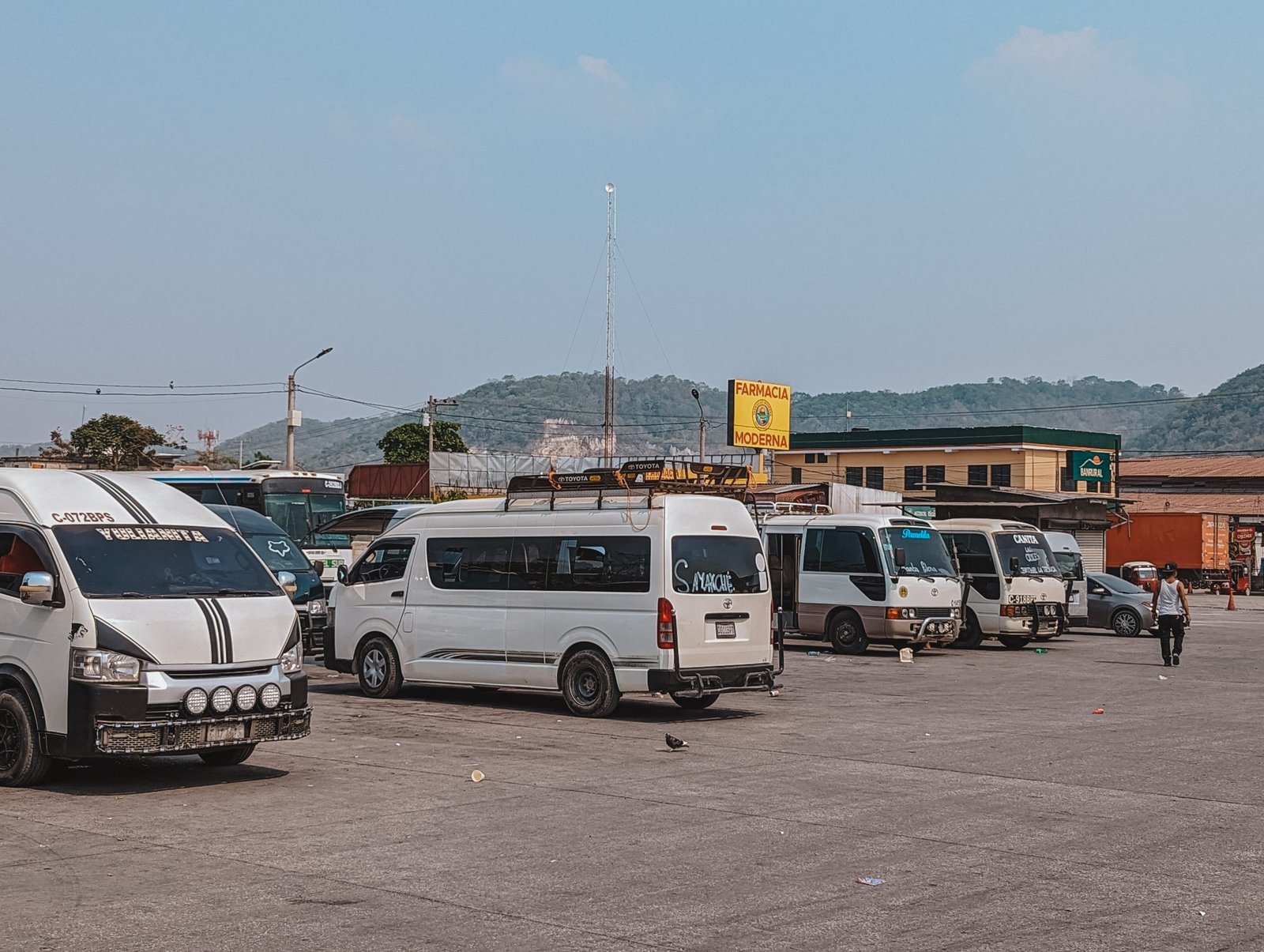
Colectivos and buses leave from the main bus terminal in Santa Elena daily starting around 6a.m. with the last bus heading there around 3:20p.m. Buses leave at different intervals throughout the day and schedules are subject to change, so we’d ask for the current schedule at the bus station or your accommodation when you arrive just to be sure. It takes about an hour and a half to reach Tikal.
If coming from Belize, make your way to the border town of Benque Viejo del Carmen. Complete the border crossing on foot, then catch a colectivo to Flores/Santa Elena. There also may be some colectivos heading directly to Tikal, though we have heard these are much less common.
If you don’t want to deal with public transport, you can also take a taxi from Flores or the border. When opting for a taxi, check with your driver to see if they’d be willing to pick you up at a certain time. You can exchange numbers but note that service is mostly nonexistent around Tikal.
If you want to visit the park for sunrise or sunset (before 6am or after 5pm), you can only do so with a guide.
With a Tour
Since Tikal National Park sits in a remote area, tours are a convenient and popular way to reach it. Taking a tour is a great way to learn about Tikal’s history. Many of the guides in the area are of Maya descent and provide interesting cultural facts and stories that have been passed down through generations.
Tours are an option from both Belize and Guatemala. Nearby towns like San Ignacio and Flores, have various tour operators that offer excursions to Tikal National Park. There are also various companies that list their tour info online on their own individual sites or sites like Get Your Guide and Viator. If you’re on a tight schedule or have a specific company you want to go with, we’d recommend booking in advance via an online booking platform or contacting a company before your visit. Additionally, many accommodation options around the park offer their own tours or can organize one for you.
Tour options generally include a sunrise tour, an early morning tour, various tours throughout the day, and a sunset tour. We’d recommend going early in the morning or later in the evening to avoid the heat and more crowds.
We opted for an early morning tour that we organized through our hostel when we arrived in Flores. We didn’t opt for the sunrise tour because it costs extra to visit at sunrise or sunset and it was incredibly smoky during our time in Guatemala and we didn’t want to wake up that early and wander the park in the dark just to have it be hazy for sunrise. The early morning tour was worth it because we reached the park at dawn, which allowed us to be there with less people around and finish walking through the park before it became too hot.
Tikal National Park Hours and Entry Fees
Tikal National Park is open daily from 6a.m. until 5p.m. However, limited visits with a guide are permitted for sunrise and sunset outside of those hours.
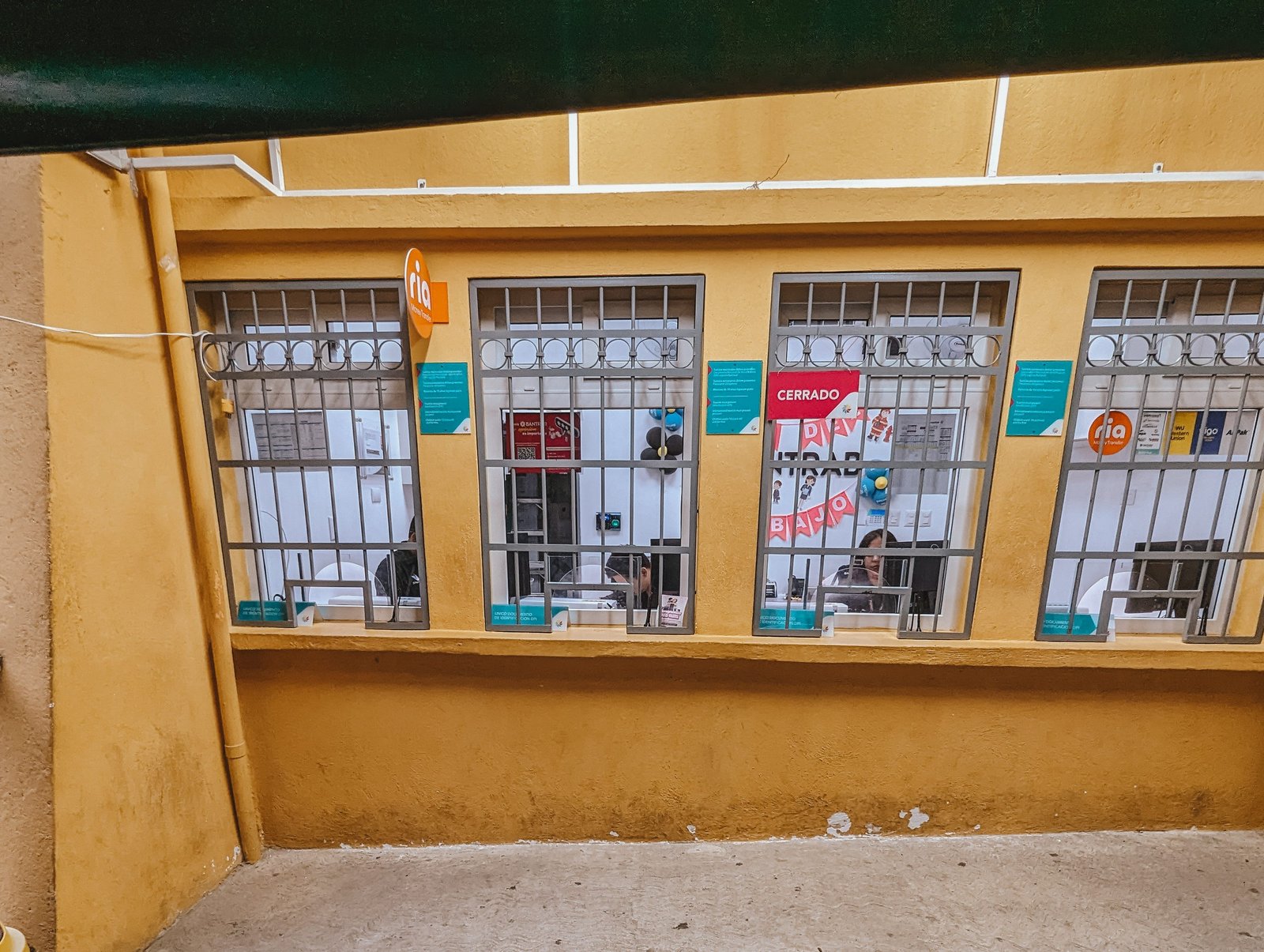
Tickets cost 150Q for non-resident adults. If visiting for sunrise or sunset, tickets cost 250Q. Sunrise/sunset tickets must be purchased in advance online or at one of the Banrural bank branches around Flores. Some tours may help you organize tickets as well.
When purchasing a ticket at the park, note that they only accept cash and that there aren’t any ATMs around. Our tour stopped by the ticket office on the way into the park for us to buy them. Entrance tickets do not include the cost of a guide.
Since our visit, there is now the option to purchase your ticket online through the Boletos Tikal website. It seems that lots of people have bought their tickets through here without issues, but one thing that we noted is that the official Tikal park site says that there’s no way to buy tickets online at the moment, so we weren’t sure if this was a legitimate site. But maybe they just haven’t updated that piece of info.
Before visiting the national park, check the official website for current pricing, updates, holiday hours, etc.
Park Regulations
Visitors are required to carry their tickets through the duration of their visit.
Tikal is an incredibly significant historical site with structures that have withstood the test of time. To protect this site for generations to come, don’t lean on or climb structures that you aren’t supposed to and please don’t be that person that thinks it’s cool to carve your name into the stones or trees in the area.
You may encounter wildlife in the park – don’t feed the animals and respect their space. Leave everything as you find it and do your part to keep the area clean.
Our Visit to Tikal National Park
The day started early – around 4:30am – as we followed our shuttle driver down the narrow little alley near our hostel and hopped in the van. We picked up a few other groggy travelers and made the drive to Tikal National Park.
Just before 6am, we arrived at the park. We all got out of the van and into the ticket line to pay the park entrance fee. A short drive down the road led us to the area around the visitor’s center where there was a small restaurant, bathrooms, and souvenir stands that had not yet opened. Being early in the morning, our guide gave us all some time to grab coffee and a bite to eat before we headed into the rainforest.

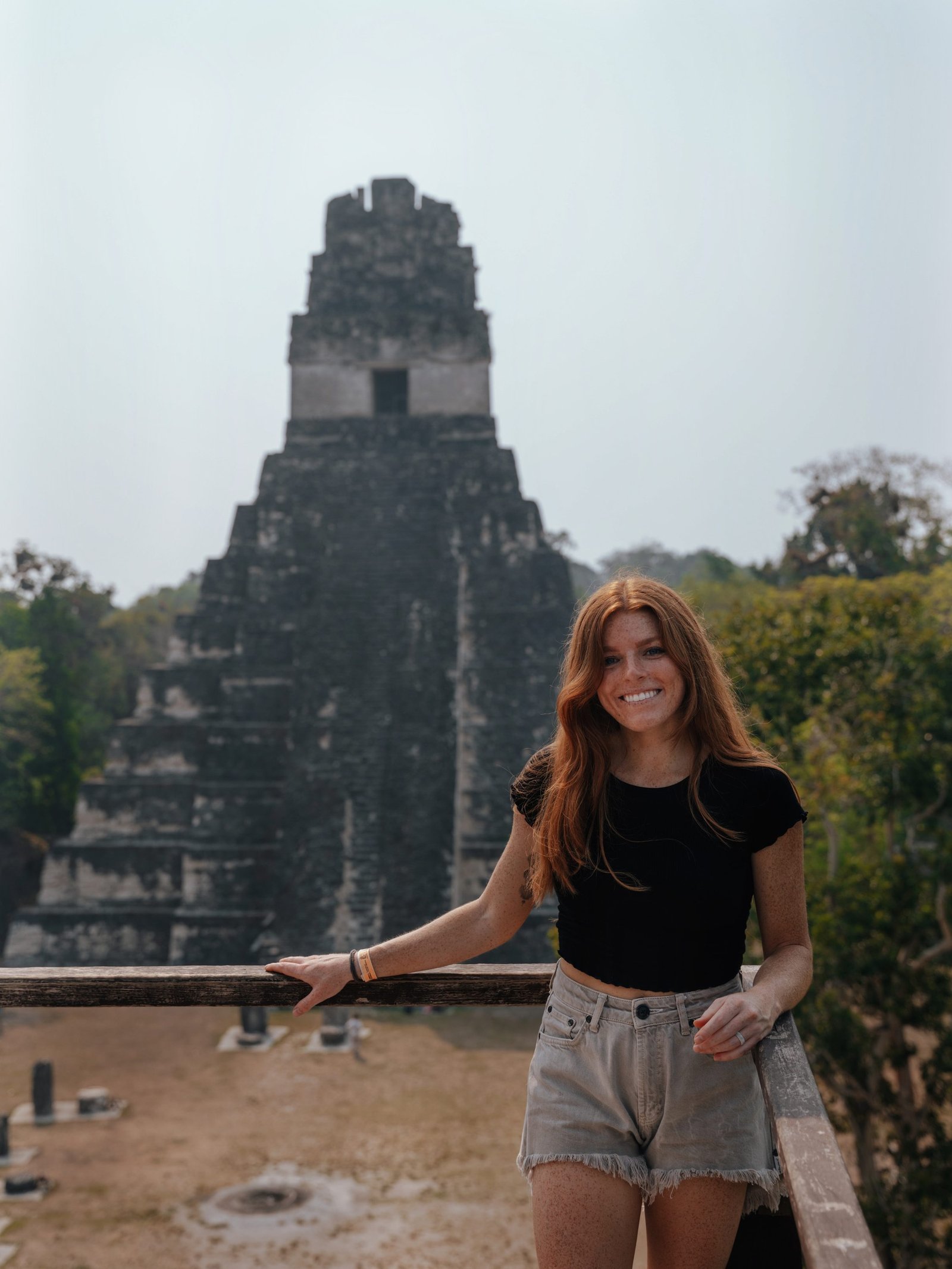
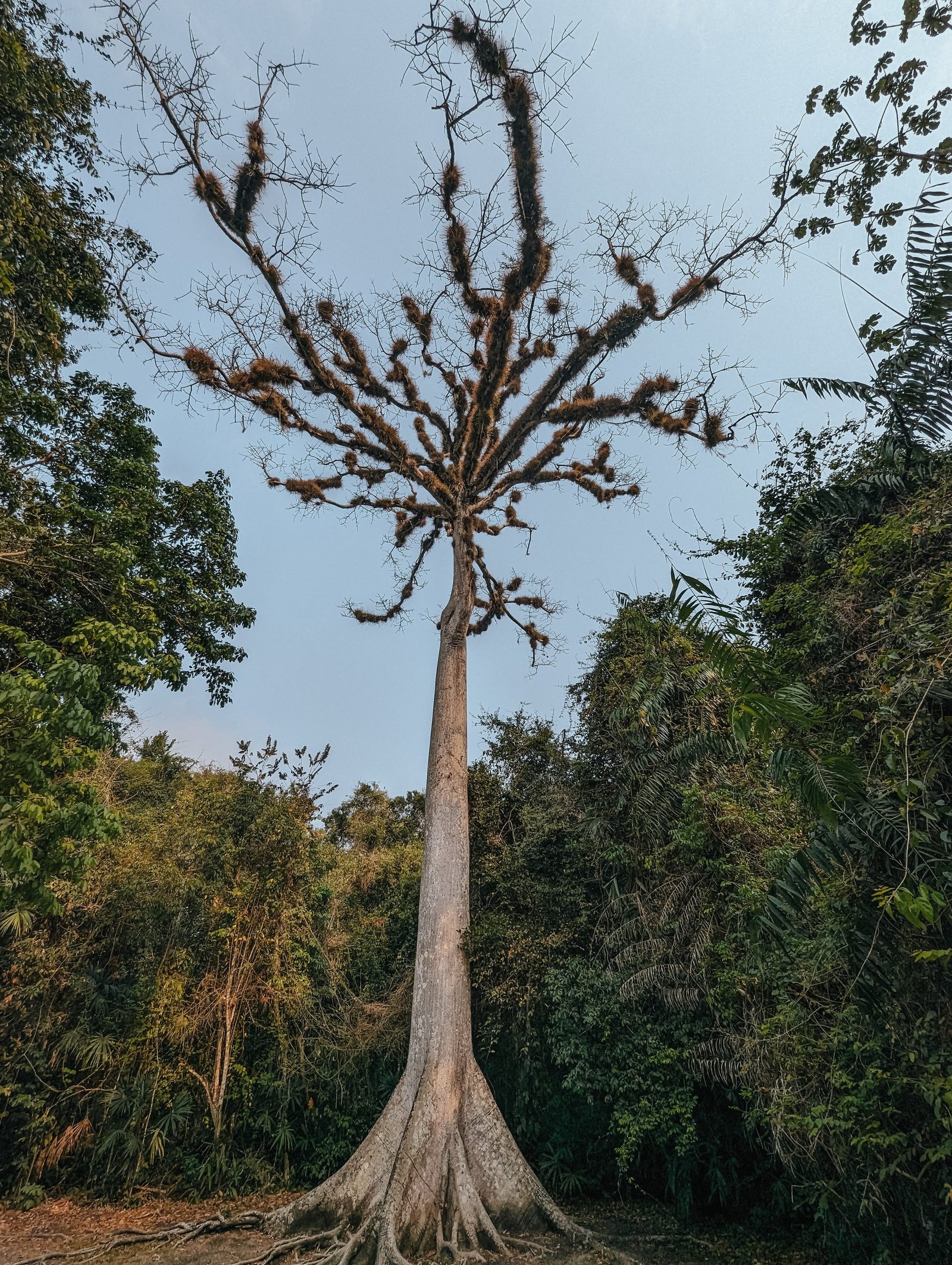
Off we went down the trail, our guide pointing out various birds, monkeys, and the Tree of Life along the way. As we walked through the rainforest, we came across multiple historic structures, including the first pyramid to climb. It’s so cool to look over the jungle canopy from the top of the temples to see the tops of other temples sticking up through the trees in the distance.
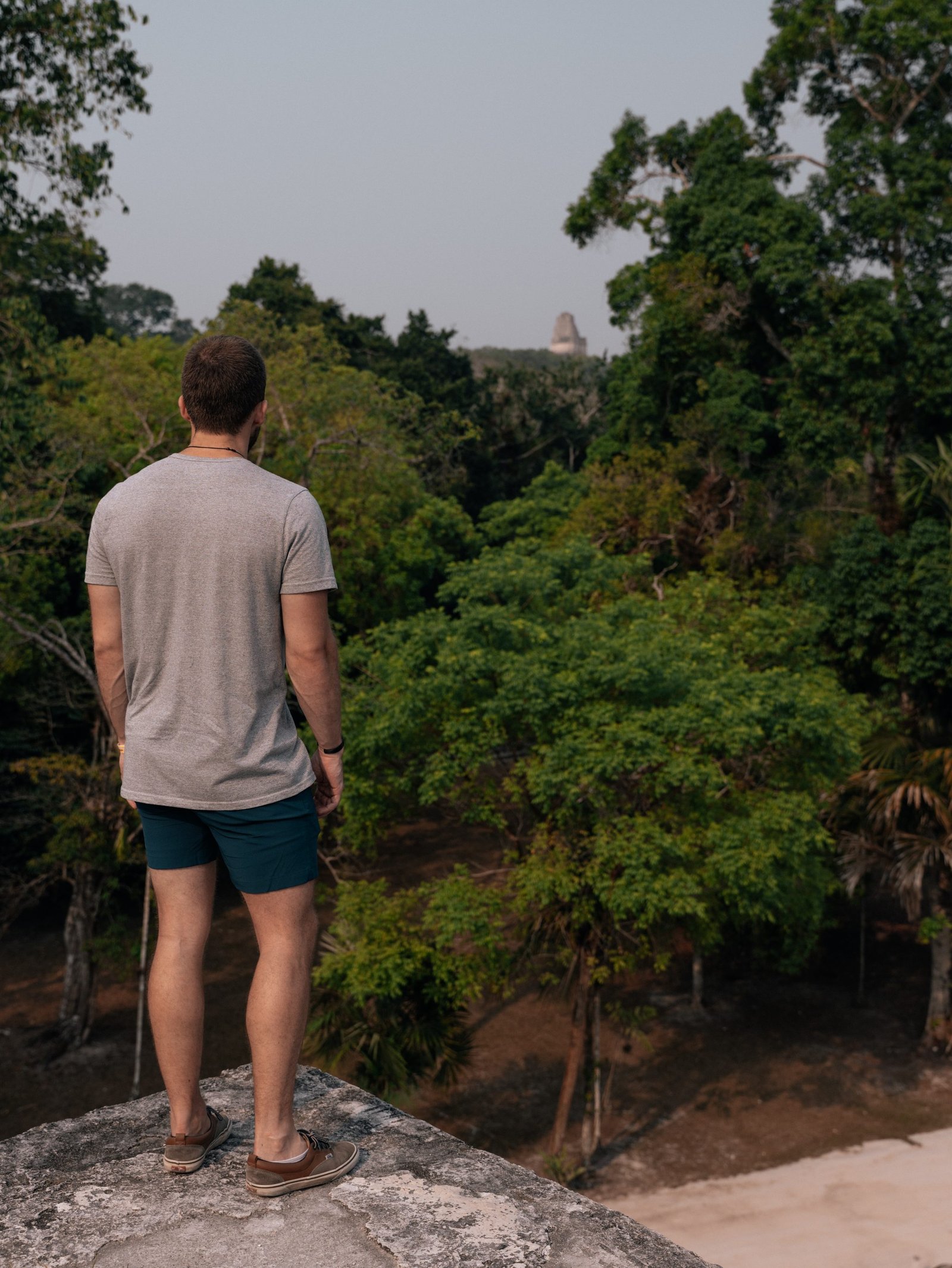
During my first visit to Tikal with family back in 2008, we had come over from Belize for the day. This was not as popular of a travel destination then, so we found ourselves wandering among the structures mostly on our own! Being out there with very few others was really cool. However, our driver/guide provided limited info before we went off to explore and there wasn’t much signage around the park, so we didn’t get too much historical context. Back then, I was a kid who was more excited by just exploring and climbing the pyramids anyway.
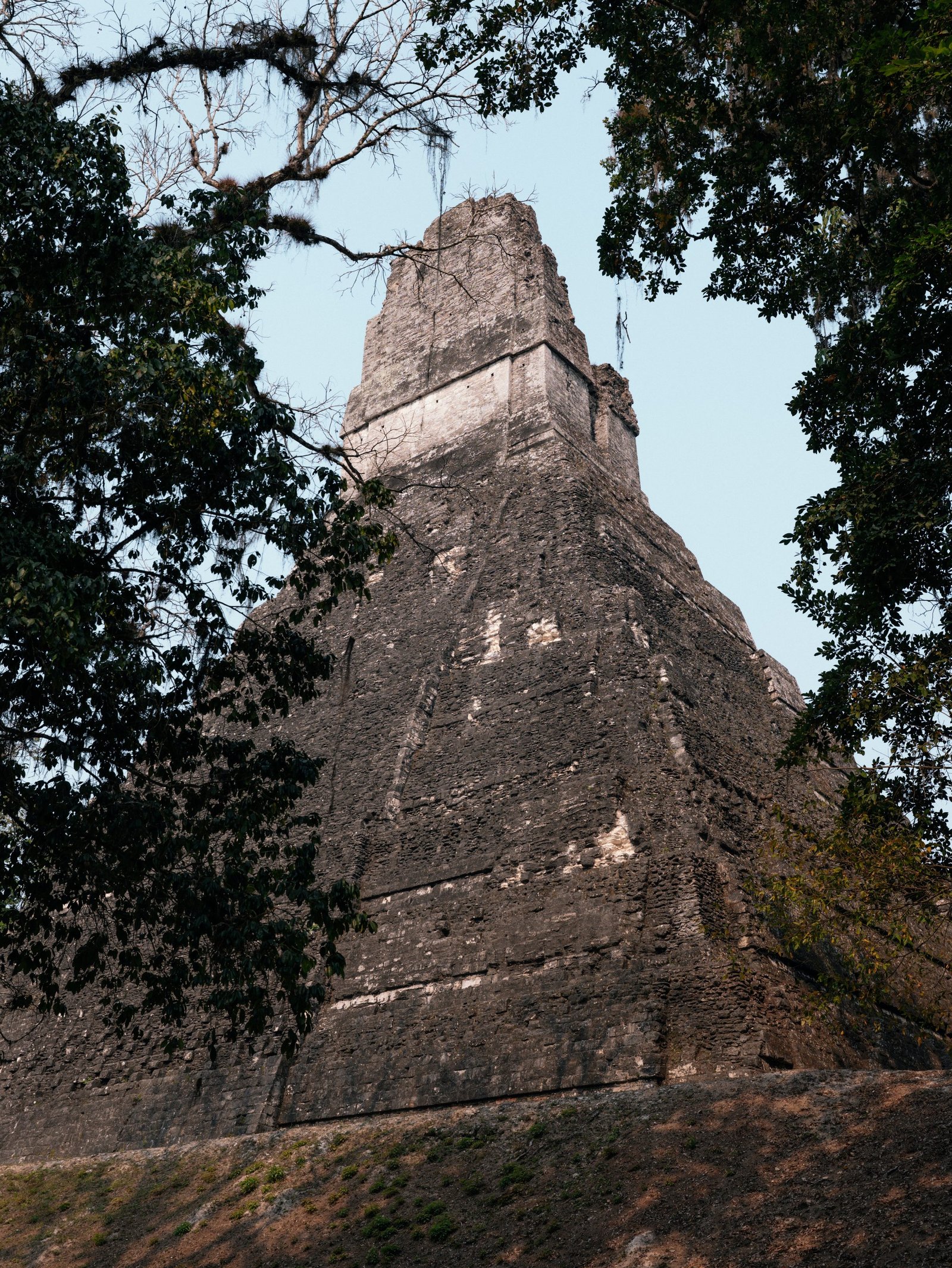
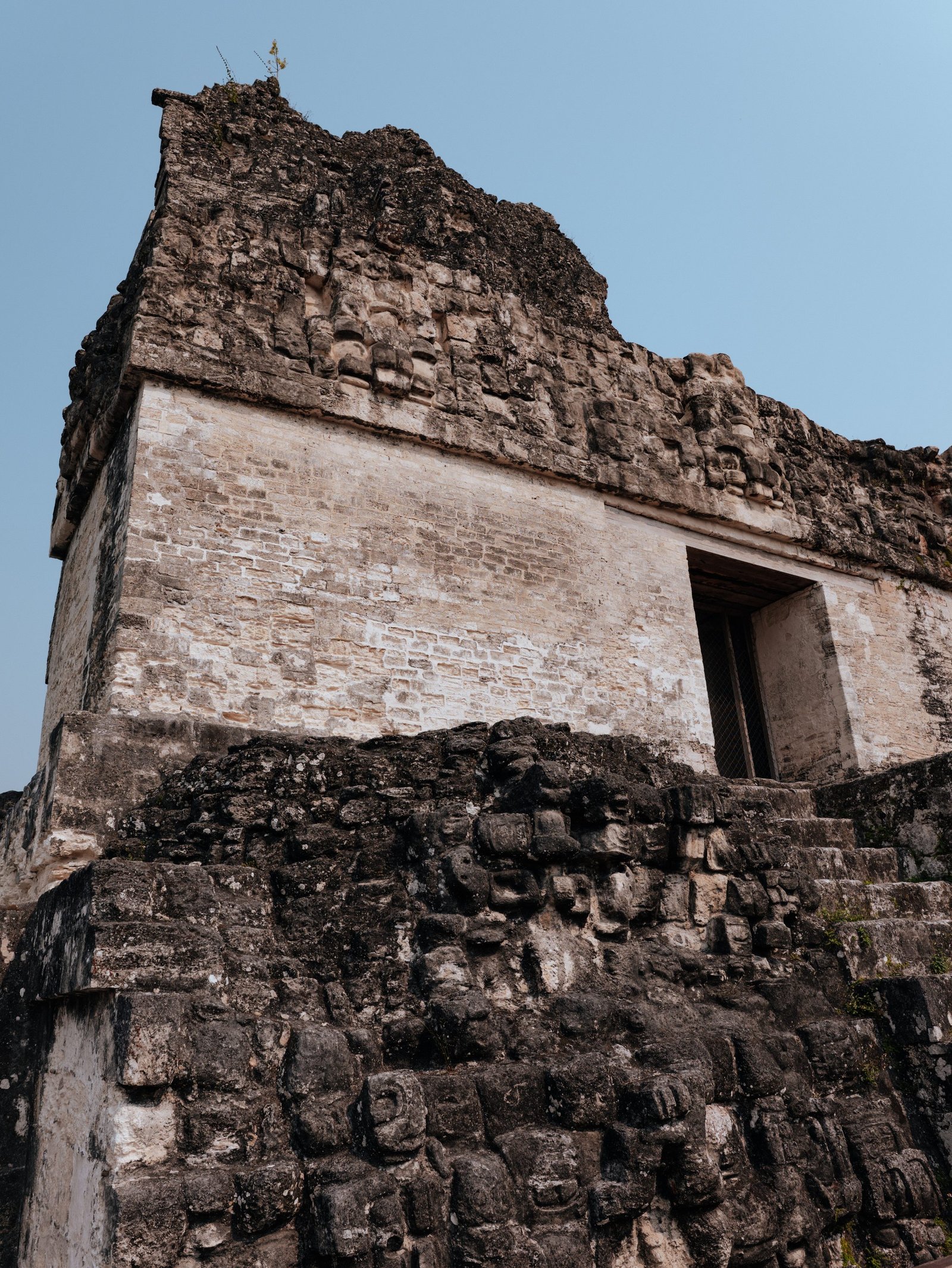
This time around, though the park was much busier than it was all those years ago, we really enjoyed learning much more about the history and Mayan legends through our guide. There still isn’t much signage around the park, so if you choose to visit without a guide, we’d recommend downloading an audio guide or researching the park and structures within it a bit before your visit to understand what you’re looking at while exploring. The complex is also huge, so take a picture of the map to make sure you hit the highlights.
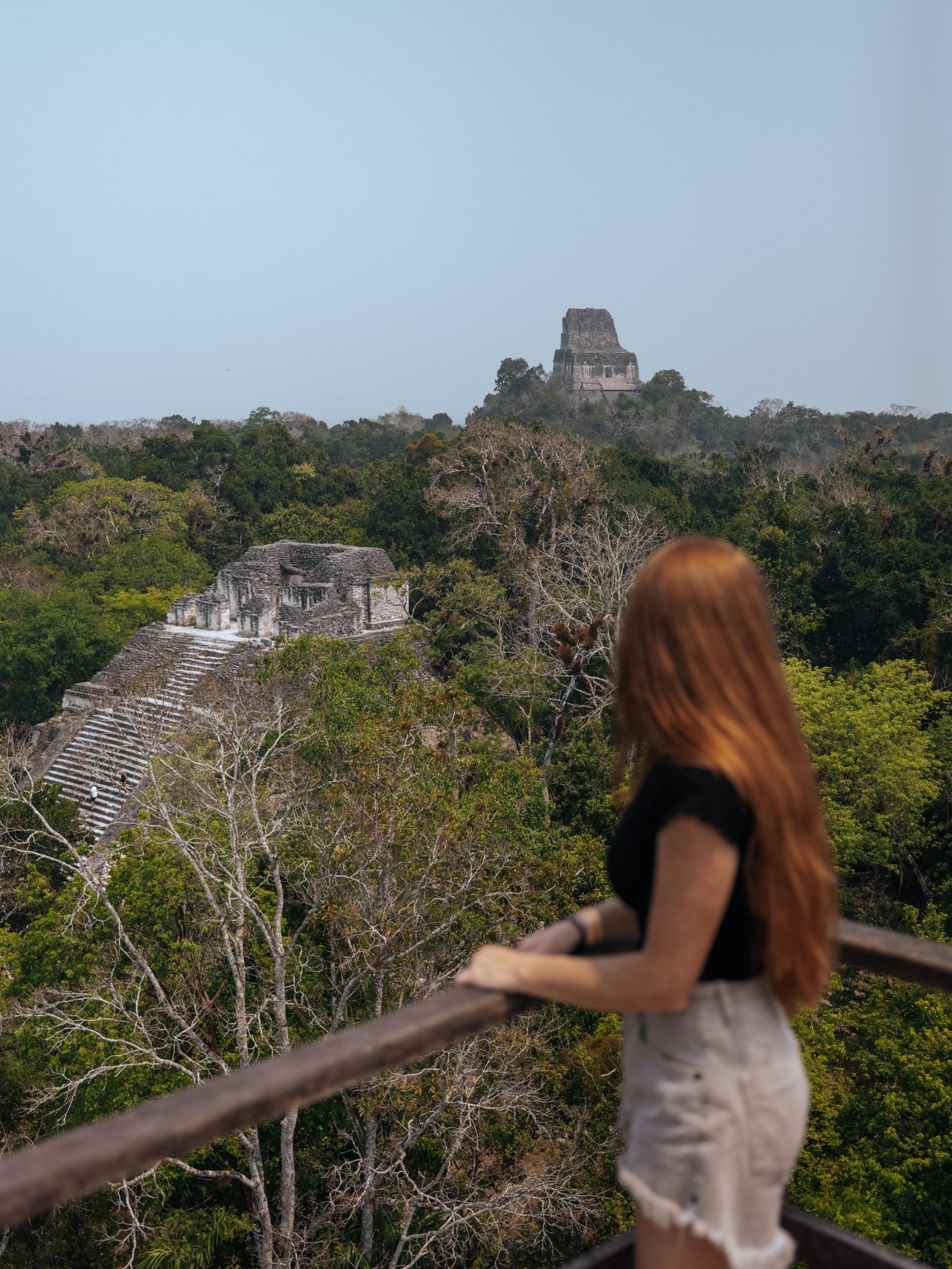
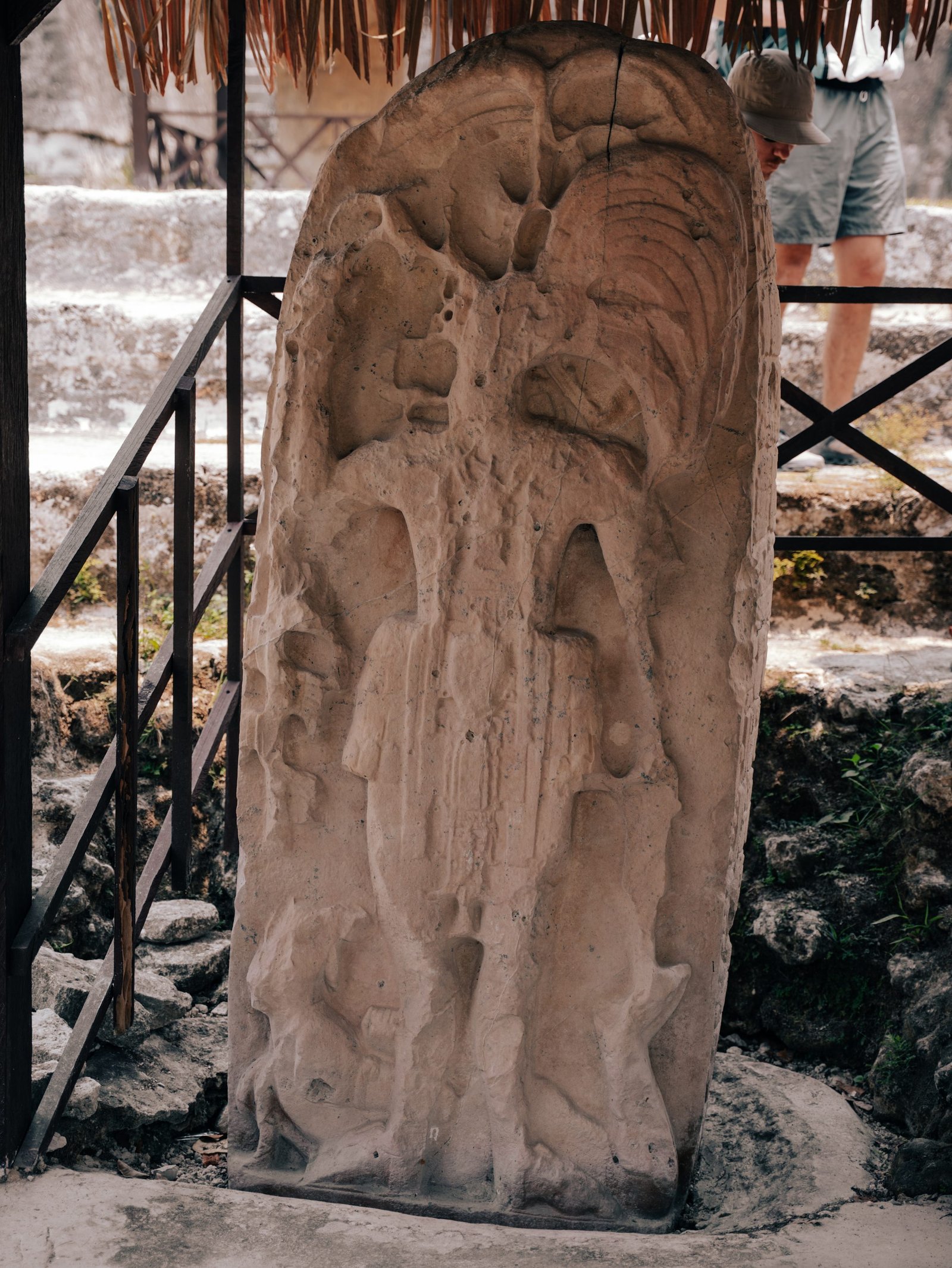
Anyway, we ended our tour back at the main temple plaza and walked back to the park entrance. Again, we were given time to grab a bite to eat or buy souvenirs if desired. A few of us stayed and chatted with our guide. He pulled out a sort of zodiac booklet that matches you to a glyph based on your birthdate. Matt’s companion is I’x, or a jaguar, and Lia’s is Ajpu, or a conch/snail.
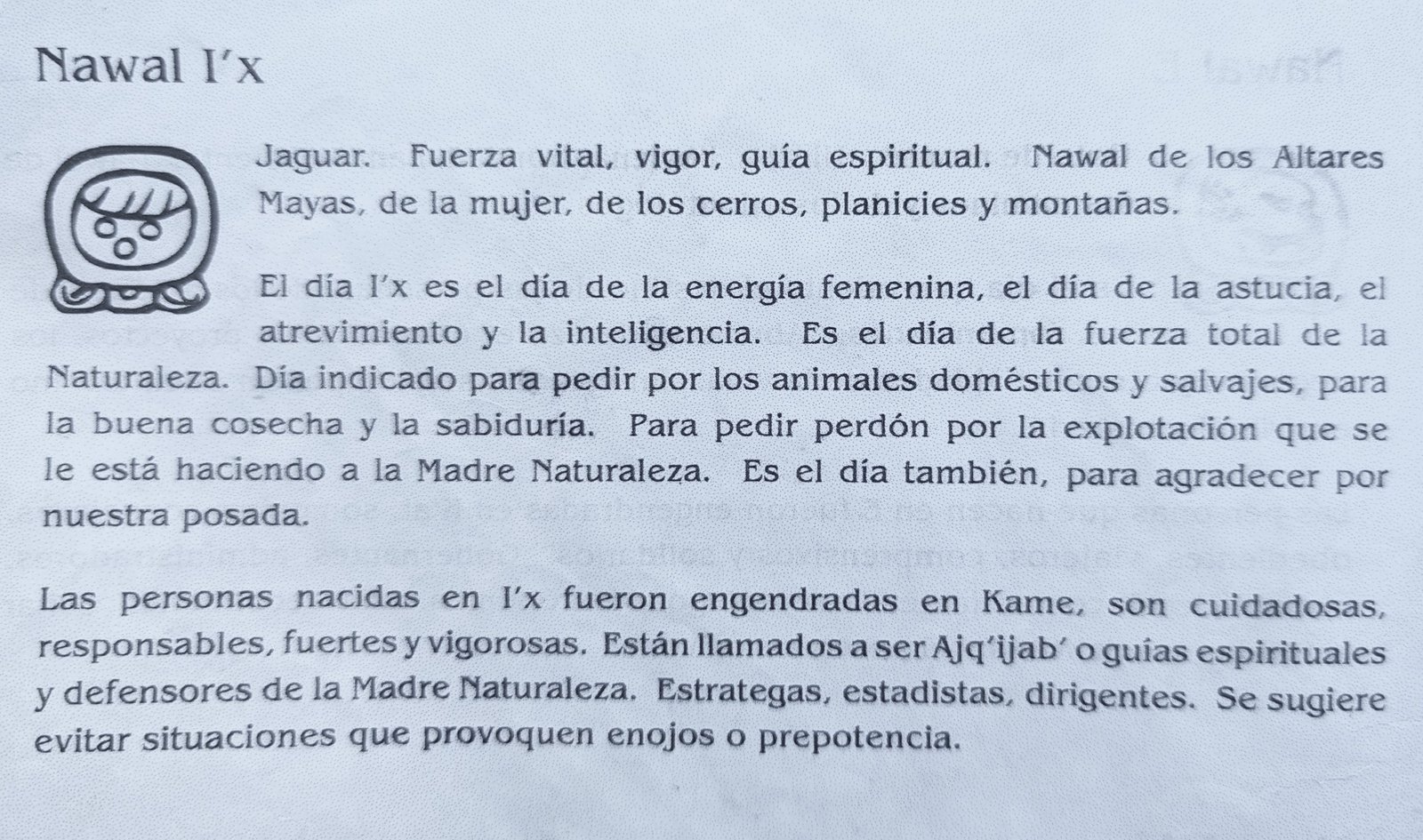
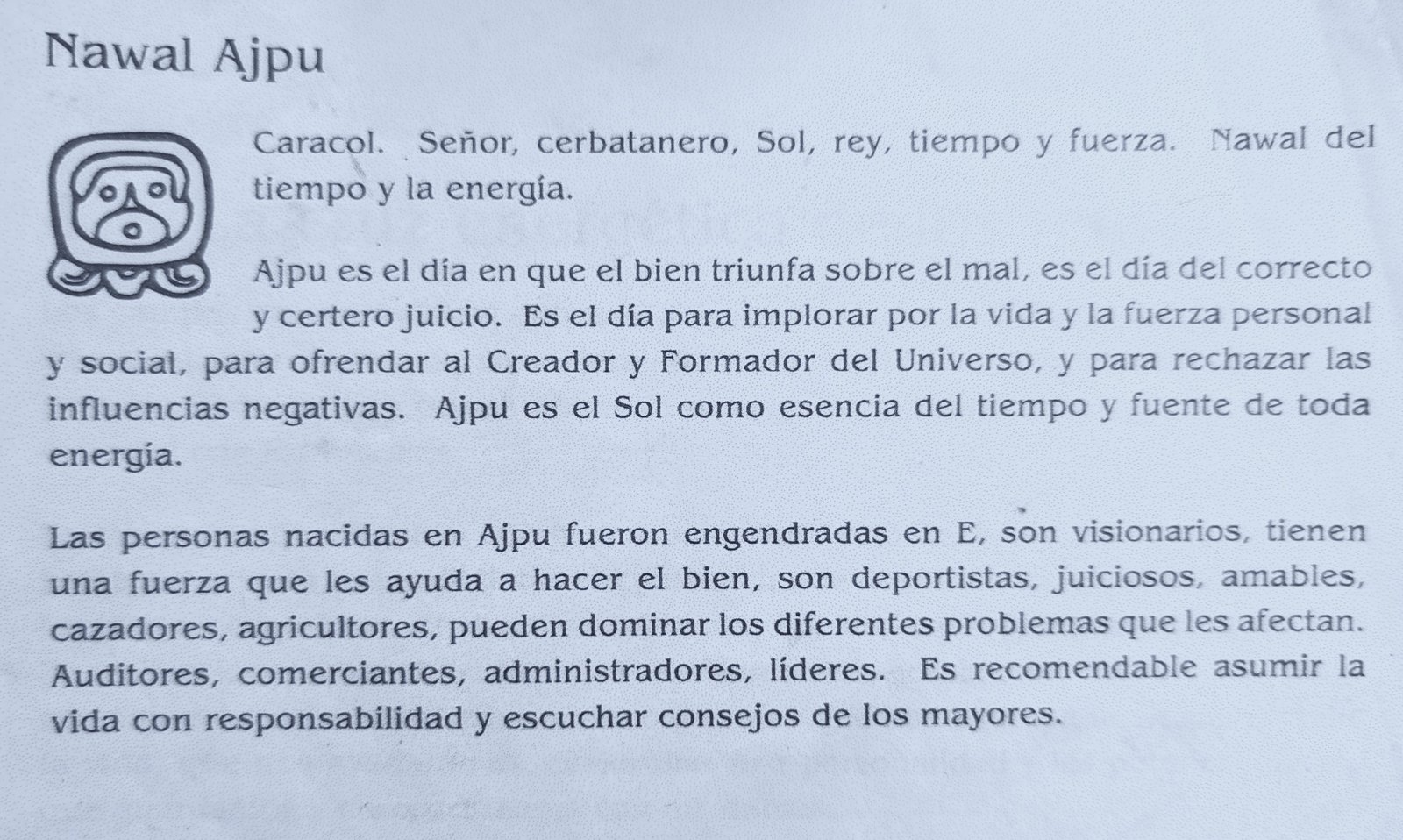
After a great half day in the park, we drove back to Flores.
What to Bring
Cash: Bring cash for the entrance fee, colectivos or taxis if you plan to use them, a tip for your guide, and for any souvenirs or food you want to buy.
Entrance Ticket: Bring your printed or digital ticket if you purchased one in advance.
ID: Bring identification as you may be asked to present it with your pre-purchased ticket or when buying one.
Water: Bring water to stay hydrated as you explore the park. You can buy water near the entrance there, too. Just make sure you take some with you as you head into the park to explore.
Comfortable walking shoes: Wear shoes that you’ll be comfortable in for walking uneven trails, climbing pyramids, and for potentially muddy paths.
Sun Protection: Though many of the trails wind through the jungle, there are some exposed areas, so bring sunglasses, a hat, and sunscreen.
Bug Spray: In the rainforest, it can get pretty buggy, especially after recent rain and near dawn or dusk.
Camera: If you want to capture your excursion.
Snacks/Food: We packed some snacks in case we got hungry. There is also some food available for purchase there.
Rain Gear: This region frequently receives rain. A rain jacket can also serve as a good extra layer to have if you visit in the early morning or evening when it can get a bit chilly.
Like this Post? Pin it!